
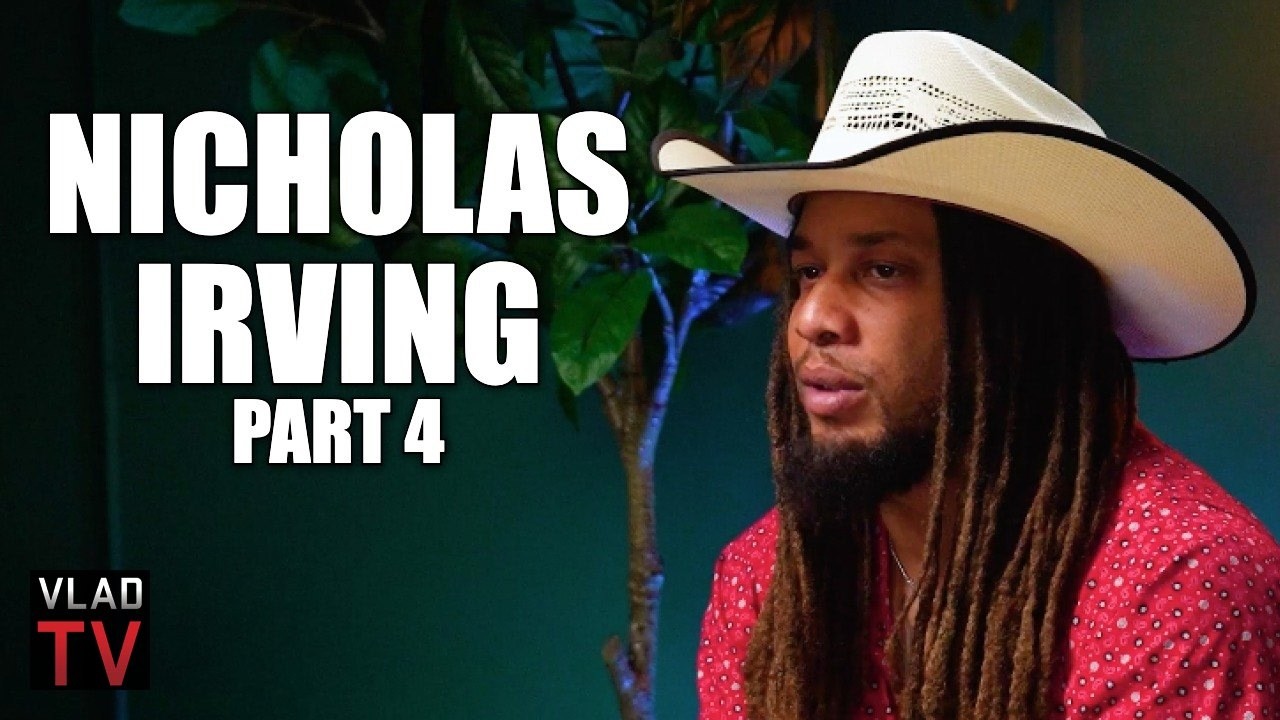
Combat veteran Nicholas Irving sits down with Shawn Prez for a blunt discussion on how politics shapes war — and the deadly cost for troops on the ground.
Irving says shifting rules of engagement under George W. Bush, Barack Obama, and Joe Biden often left service members “fighting with their hands behind their backs,” especially in Afghanistan. He breaks down why the U.S. withdrawal under Biden became, in his view, both a political and military debacle, pointing to the loss of more than a dozen service members, the Taliban’s rapid return to power, and the collapse of 20 years of American nation-building. The conversation also touches on Vietnam comparisons, the Tet Offensive, taxpayer funding, midterm politics, oil prices, Iran, and the tension between public pressure to bring troops home and the need for a sound military strategy. Watch the full interview for Irving’s unfiltered perspective.
Reflecting on the legacy of 9/11, the Twin Towers, Osama bin Laden, TSA procedures, government surveillance, and post-9/11 policy, Irving argues the United States is not necessarily safer than it was on September 10, 2001. Rather than focusing only on foreign threats, Irving warns that today’s biggest vulnerabilities may come from within — political division, social breakdown, and the possibility of a coordinated attack targeting public spaces or major events. He questions whether expanded security measures have truly stopped terrorism, while pointing to government overreach and a fractured national culture as signs of deeper risk.
The conversation turns to the Middle East standoff, U.S. military presence in Jordan and Kuwait, and control of the Strait as Iran’s major leverage point. Irving says Iran is likely to stand firm in demanding American forces leave the region, making a quick resolution unlikely. With the conflict already stretching into September, he explains why he does not believe the fight will be over before December.
Prez and Irving also discuss U.S. comfort, short attention spans, the news cycle, President Biden’s Afghanistan withdrawal, and whether Donald Trump or future presidents will avoid owning the difficult end of America’s longest wars. A sharp, unfiltered look at modern warfare, ideology, foreign policy, and the limits of American power.