
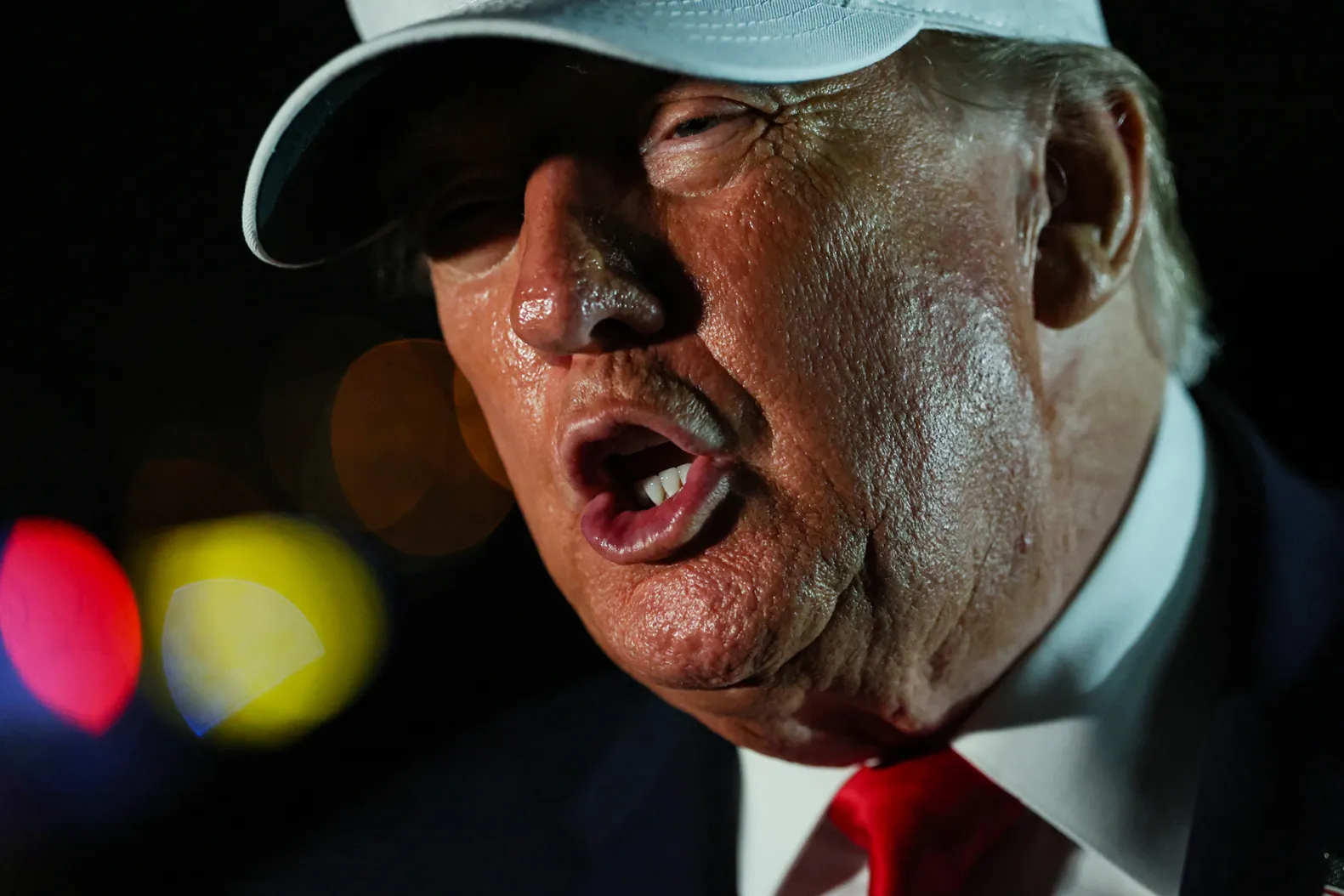
U.S. President Donald Trump offered his most extensive assessment yet of historic Republican losses in an interview with “60 Minutes” that aired recently.
Trump took no personal blame for the wipeout, despite his record unpopularity. He said GOP candidates weren’t able to translate his popularity to their own races. And while he acknowledged areas where his record was unpopular, he made clear he wasn’t in a conciliatory mood on most issues as Democrats prepare to take majorities on Congress. As he assessed why Republicans fared so poorly in last week’s elections, Trump named Iran and bad messaging as the primary culprits. But he also acknowledged that his administration’s crackdown on immigration that saw thousands of undocumented migrants arrested and deported was unpopular, and in his view went too far. It was a striking acknowledgement from the president that a topic he ran on in 2024 has, in two years, become politically toxic.
Behind the scenes, Trump has expressed misgivings at some of the tactics his administration has employed in rounding up migrants. It’s unclear whether Trump is considering any changes to his immigration agenda, even after conceding it was too hard-line. He just named the architect of the policies, Stephen Miller, as his new chief of staff. The interview with CBS’ Ross Douthat ended on a revealing back-and-forth over whether Trump could ever forgive his perceived enemies — even ahead of his final judgement before God. The question was prefaced by recounting a moment last year at the funeral for slain activist Charlie Kirk, where his widow, Erika, publicly forgave his alleged assassin. Moments later, Trump appeared onstage to declare: “I hate my opponents, and I don’t want the best for them.”
Trump has cultivated a long list of grievances, from Democrats and other officials who led investigations into him during his first term to rival politicians who have opposed his agenda. While he has at moments voiced a desire for conciliation — including last week when he said he wanted to work with newly powerful Democrats — his default has always been to retrench into his perceived injustices.