
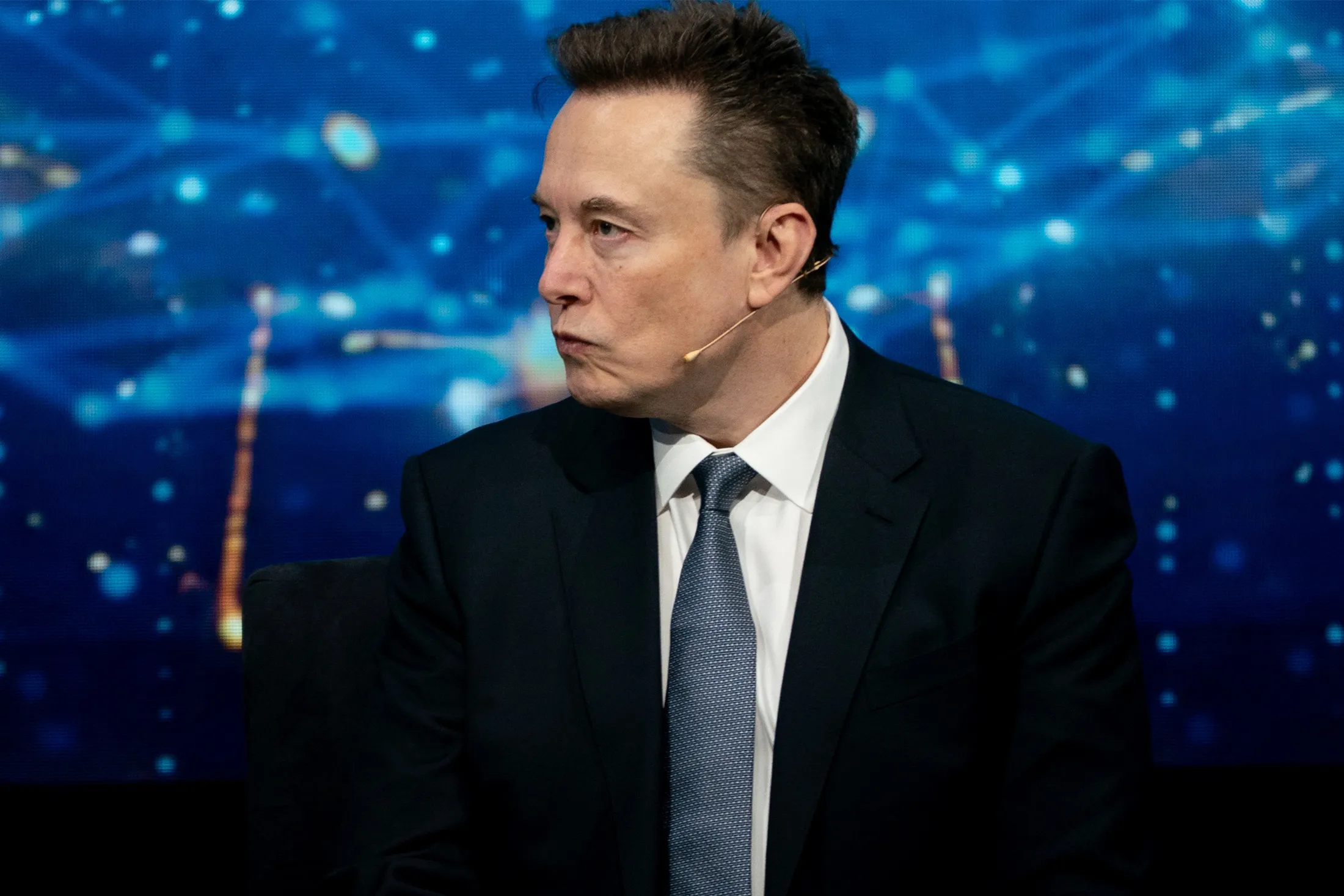
Billionaire Elon Musk has intensified his legal and verbal feud with the South African government, claiming Starlink is being denied an operating licence “solely because he is not Black.”
At the heart of the dispute is South Africa’s Broad-Based Black Economic Empowerment (B-BBEE) policy, which requires telecommunications companies to have 30% ownership by historically disadvantaged groups, including Black South Africans, women, and people with disabilities. While the ANC-led government has maintained that these laws are essential to redress the legacy of Apartheid, Musk has slammed them as “openly racist,” even alleging that South Africa now has more “anti-White laws” than there were “anti-Black laws” under apartheid.
Musk grew up in apartheid in Johannesburg in 1971 in a wealthy white family that benefited directly from the system that brutalized Black people for decades. While Black townships were revolting in the 1980s and the government imposed a state of emergency, Musk was living safely in leafy white suburbs, attending all-white schools, completely shielded from the oppression happening outside his gated world.
South Africa’s Black Economic Empowerment framework wasn’t created to discriminate against white people. It was designed to address centuries of economic inequality created by colonialism and apartheid, requiring telecommunications companies to give 30% equity to historically disadvantaged groups.