
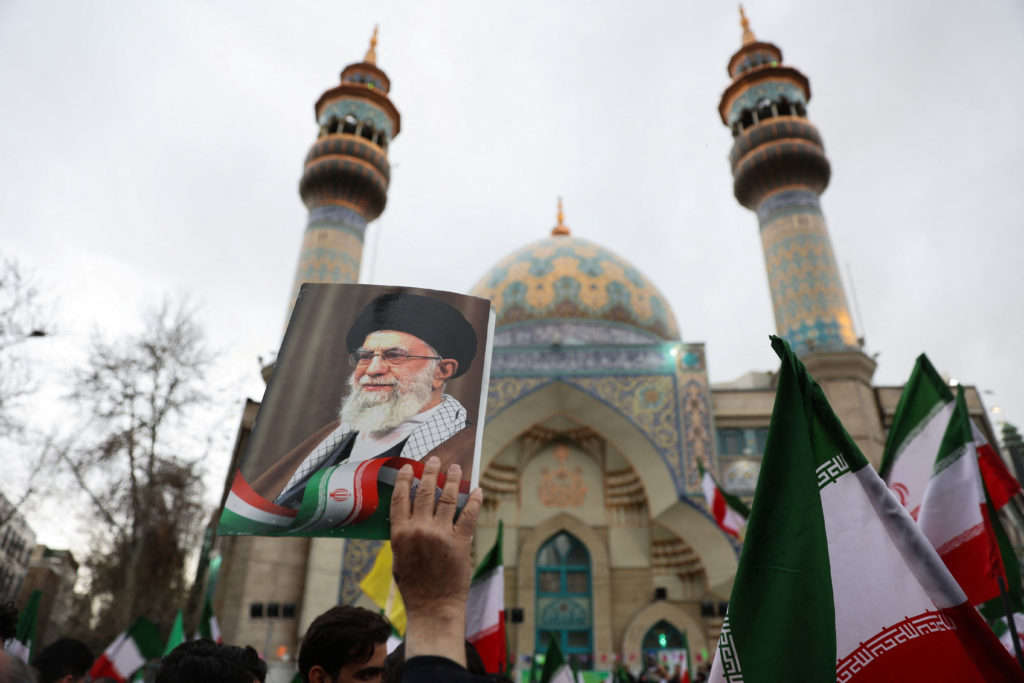
Supreme leader killed on Saturday, Iranian state media announced, in Israeli-U.S. air strikes.
The 36-year rule of Ayatollah Ali Khamenei built Iran into a powerful anti-U.S. force, spreading its military sway across the Middle East, while using an iron fist to crush repeated unrest at home. He was killed on Saturday, aged 86, Iranian state media announced, in air strikes by Israel and the U.S. that pulverized his central Tehran compound, after decades of efforts to resolve the dispute over Iran’s nuclear program diplomatically failed. At first dismissed as weak and indecisive, Khamenei seemed an unlikely choice for supreme leader after the death of the charismatic Ayatollah Ruhollah Khomeini, who founded the Islamic Republic of Iran. But Khamenei’s rise to the pinnacle of the country’s power structure afforded him a tight grip over the nation’s affairs.
Khamenei was “an accident of history” who went from “a weak president to an initially weak supreme leader to one of the five most powerful Iranians of the last 100 years,” Karim Sadjadpour at the Carnegie Endowment for International Peace told Reuters. The ayatollah criticized Washington throughout his rule, continuing to deploy barbs after the start of Donald Trump’s second term as U.S. president in 2025.
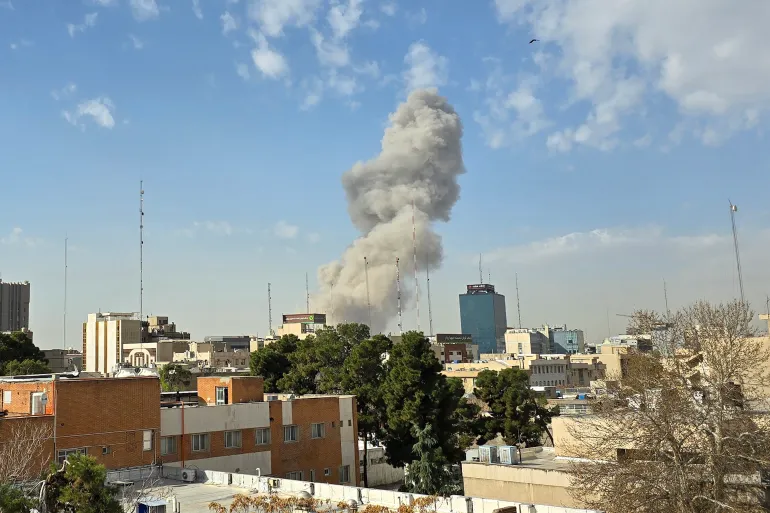

By maintaining the hardline stance of Khomeini, the Republic’s first supreme leader, Khamenei quashed the ambitions of a succession of independent-minded elected presidents who sought more open policies at home and abroad. Khamenei long denied that Iran’s nuclear program was aimed at producing an atomic weapon, as the West contended. In 2015, he cautiously supported a nuclear deal between world powers and the government of pragmatist President Hassan Rouhani that curbed the country’s nuclear program in return for sanctions relief. The hard-won accord resulted in a partial lifting of Iran’s economic and political isolation.
But Khamenei’s hostility toward the U.S. was undimmed, intensifying in 2018 when Trump’s first administration withdrew from the nuclear agreement and reimposed sanctions to choke Iran’s oil and shipping industries. Following the U.S. withdrawal, Khamenei sided with hardline supporters who criticized Rouhani’s policy of appeasement towards the West.