
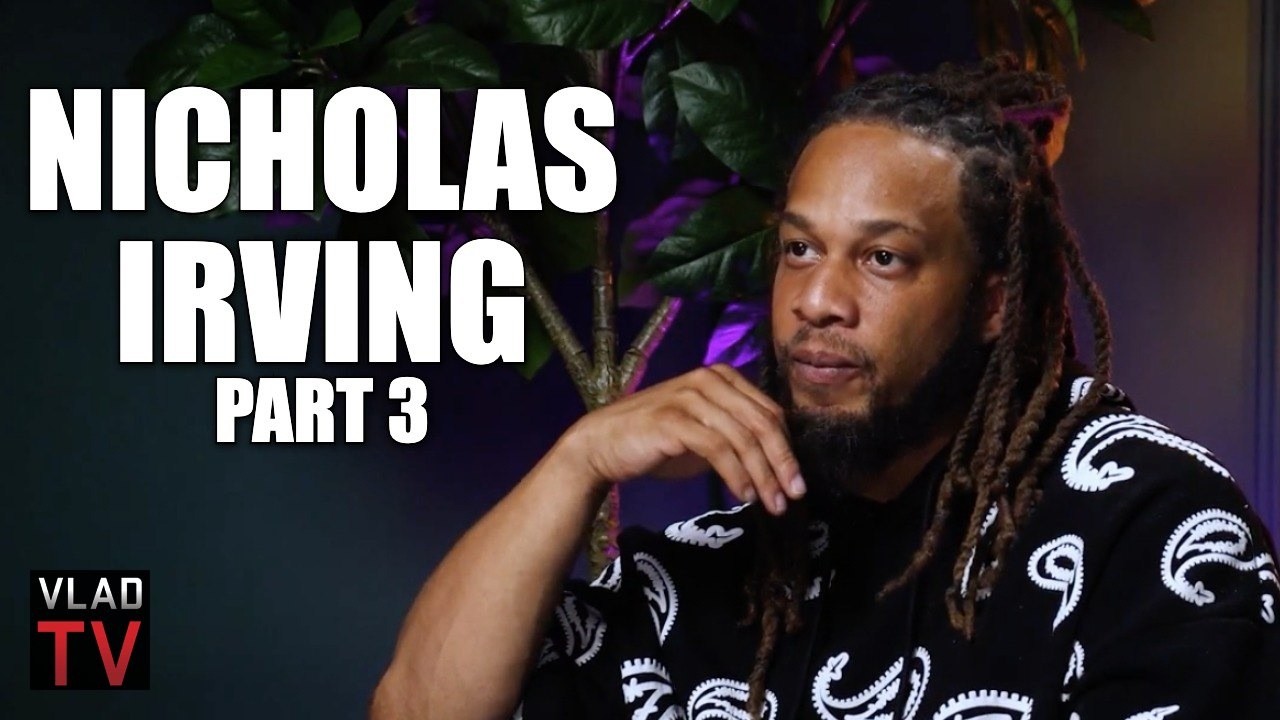
In a recent conversation, Nicholas Irving and Shawn Prez highlighted Taiwan’s pivotal position in the global technology landscape, especially regarding AI and semiconductor production.
Taiwan manufactures around 90% of the world’s advanced semiconductors—key components powering everything from smartphones to AI systems and modern vehicles. This monopoly places Taiwan at the heart of global technological and geopolitical tensions, particularly with China, which aims to control the island. Irving and Prez warn that if China gains dominance over Taiwan, it could cripple U.S. technological supremacy without firing a shot. They also discuss AI’s rapid advancement, noting society’s growing dependence on tools like ChatGPT, raising concerns about humanity “playing with fire” in developing unchecked artificial intelligence. The duo agrees that Taiwan’s semiconductor capabilities will determine which nation leads the AI race and, ultimately, global power—making Taiwan’s security and U.S. policy toward the island more critical than ever.
Nicholas Irving shares his perspective on the ongoing conflict between the U.S. and Iran, now over 80 days in. Irving argues that Iran’s main objective is to outlast U.S. attacks, rather than outright defeat the American military. “It’s not about how many bodies you can drop,” Irving explains, “it’s about outlasting your enemy and making them quit first.”
He highlights how the conflict has escalated from concerns over Iran’s nuclear ambitions to the strategic Strait of Hormuz, with Iran retaining a significant portion of its missile and drone stockpiles despite U.S. claims of crippling their capabilities. Recent attacks in the UAE demonstrate Iran’s continued aggression.
Irving critiques U.S. leadership, suggesting advisers prioritize loyalty over honest counsel, contributing to strategic missteps. Ultimately, Iran’s resilience and refusal to yield represent a symbolic victory, illustrating a war of endurance more than immediate conquest.