
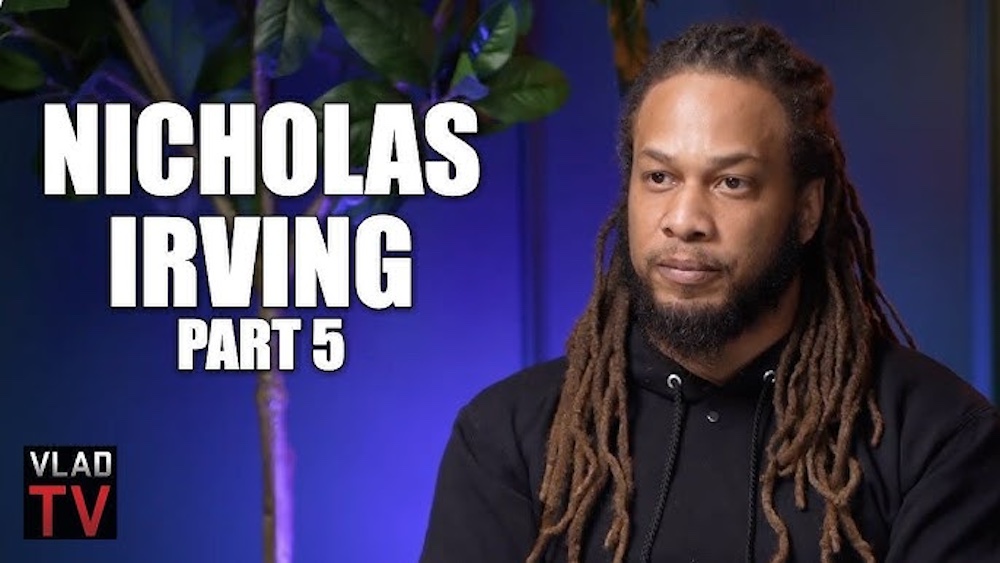
Former U.S. Army Ranger Nicholas Irving shared stark reflections from his deployment in Afghanistan, describing a chilling worldview held by some local combatants.
Irving recounted witnessing brutal cultural practices and encounters that deeply challenged his perception of humanity and intelligence among enemy fighters. “I never saw them as intelligent people,” he said, recounting disturbing hygiene practices linked to further taboo behaviour. He explained how soldiers adapt to this mindset to survive, often viewing the enemy as devoid of empathy to avoid hesitation in life-or-death combat situations. Irving revealed that children were sometimes brought into battles alongside adults, highlighting the pervasive violence affecting entire families.
Before enlisting, Irving admits he knew little about Afghanistan or its culture and religion. His firsthand experiences, however, painted a grim picture far beyond what media portrayed. He reflected, “You wait until you get out… then you ask yourself questions.” His candid remarks expose the psychological toll of war and the complex intersection of culture, religion, and conflict on the battlefield.
Despite severe cultural punishments for homosexuality in much of the Middle East, Irving emphasized that in Afghanistan this behavior was pervasive and openly practiced, with an estimated 80% of fighters “not even in the closet.” In this context, women were viewed primarily for reproduction, while male-male relations were normalized among these combatants. This stark insider perspective challenges common narratives and sheds light on complex social dynamics within the Afghan conflict.