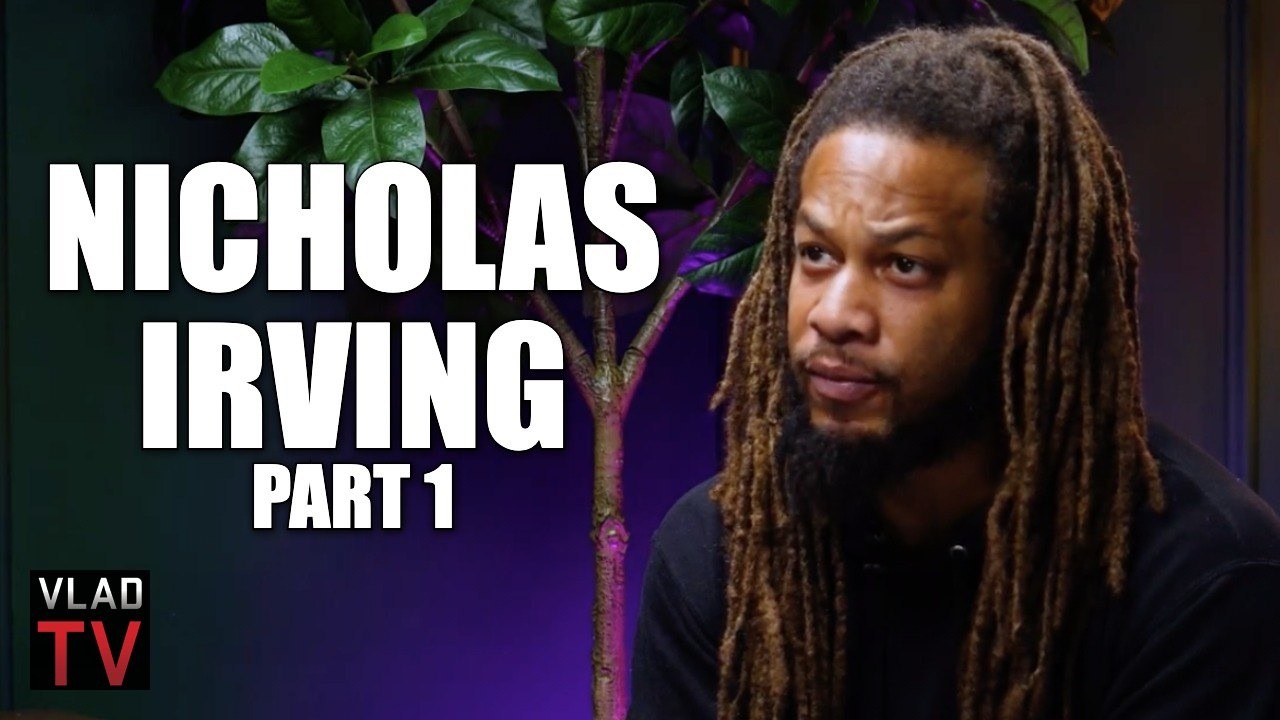
Former Army Ranger Sergeant Nicholas Irving weighed in on the possible ceasefire deal amid escalating tensions with Iran.
Irving described the memorandum of understanding as a reluctant yet crucial win for the United States, emphasizing that while the original objectives—such as regime change and dismantling the IRGC—were unmet, exiting the conflict is paramount. He highlighted ongoing hostilities, including Iranian drone activity in the Strait of Hormuz and Israel’s continued military actions in Lebanon, suggesting the ceasefire may only be a temporary pause. Irving noted that the elusive 14-point plan remains unreleased, fueling speculation about its terms and the true concessions made. While the deal might prevent further economic collapse and military entanglement, it falls short of fulfilling long-standing U.S. goals in the region. Ultimately, Irving framed the ceasefire as a pragmatic acceptance of a “loss” on the global stage but a vital step to bring American troops home.
Former Army Ranger Nicholas Irving recently weighed in on America’s ongoing conflicts and the controversial Iran nuclear deal. Reflecting on the 2015 Joint Comprehensive Plan of Action (JCPoA), Irving highlighted how Iran drastically reduced its uranium stockpile after the deal but rapidly expanded weapons-grade enrichment following the U.S. withdrawal under President Trump in 2018. Irving bluntly criticized America’s cycle of warfare, noting, “We fight the battles that we create,” referencing how the U.S. has historically funded and armed groups that later became adversaries, including Al-Qaeda and ISIS. Regarding the latest deal, which would release $300 billion in frozen Iranian assets, he expressed deep skepticism, warning these funds likely empower terrorism rather than peace efforts.