

Prior to his big internet hit, BeatKing was well known in the Texas party scene, where his music was often played at colleges and clubs throughout the ’10s.
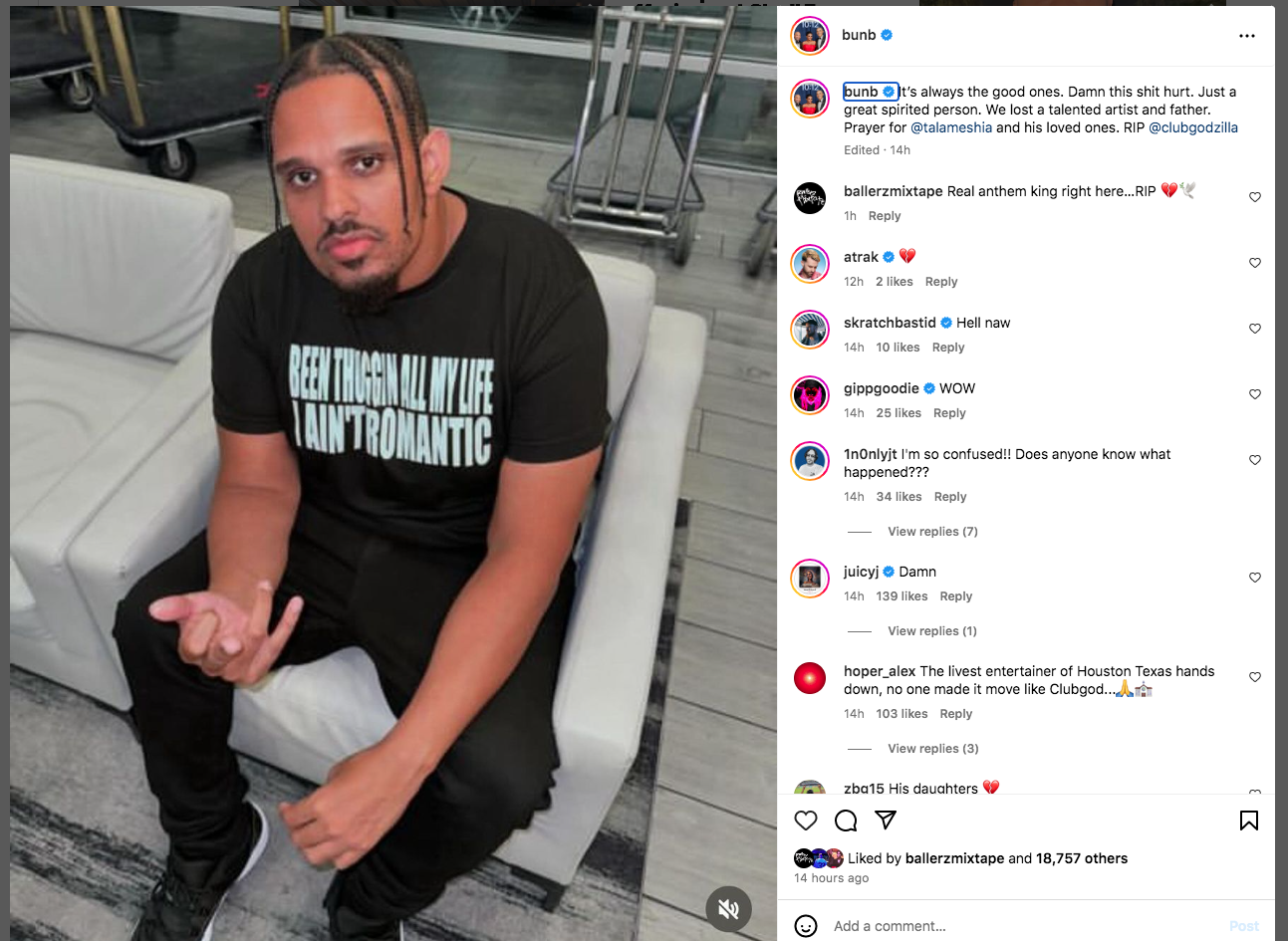
Justin Riley aka BeatKing, was best known for his song “Then Leave,” which went viral in 2020 on TikTok, catapulting him to an international audience. However, the rapper was particularly famous in Texas, where his music filled college parties and club scenes through the 2010s. He was known to have a unique sound significantly influenced by the Southern rap scene. Fans and fellow artists have begun sharing tributes and expressing their grief on social media, highlighting BeatKing’s impact on the music industry and his contributions to the culture.
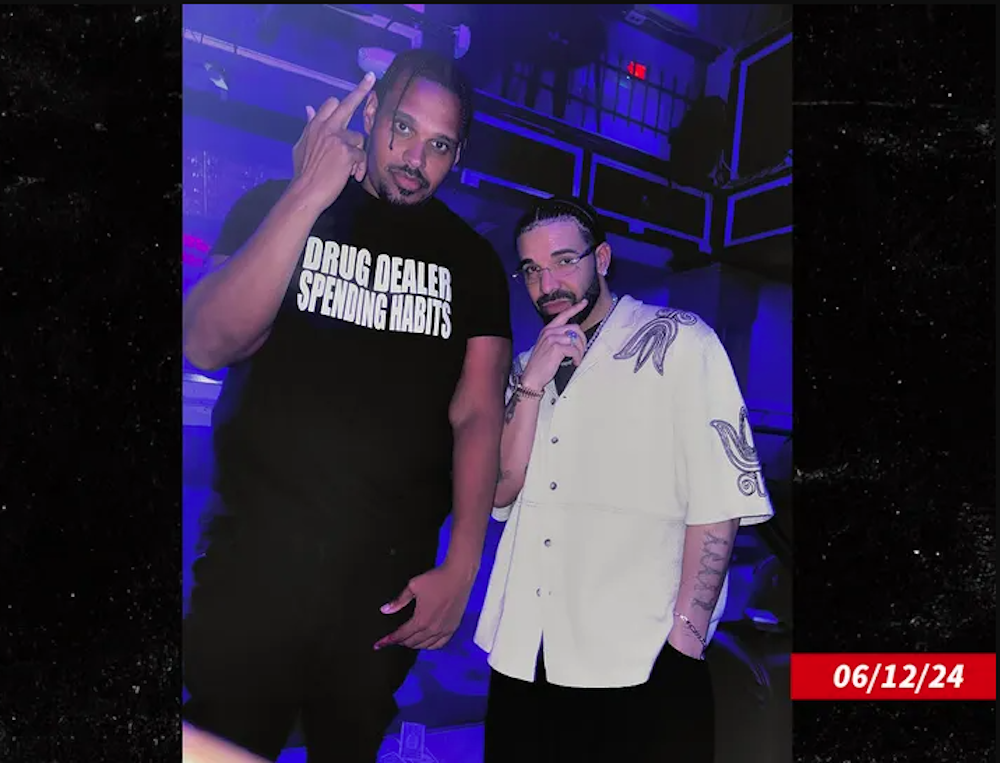
Some of his other major hits included “Throw Dat” and “THICK” featuring DJ Chose, “SDAB” — which featured 2 Chainz and Juicy J, “Outside,” and “Keep It Poppin” feat. Ludacris and Queendom Come.
Also known as Club Godzilla, BeatKing was a transformative figure in Southern rap. He was prolific throughout his career, amassing millions of views on often viral songs.
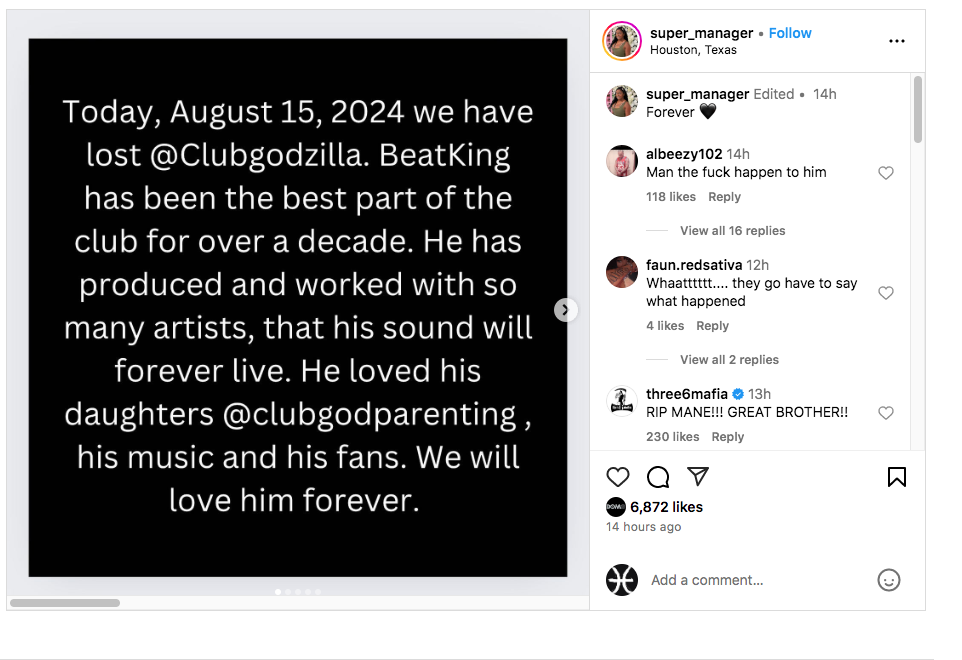
His manager, Tasha Felder, confirmed his death on her official Instagram Account sending shockwaves through the music community and social media…particularly in his hometown of Houston where he was mostly known as a public figure. Felder confirmed BeatKing’s death was due to a pulmonary embolism in an email to USA TODAY. She wrote:
“He was at an Urban One (Radio One) station doing a morning takeover when he suddenly fainted. He was taken to a nearby hospital where he later passed away. His daughters were with him the entire time. It is truly sad, we loved him so much.”

A pulmonary embolism happens when a blood clot blocks blood flow to the lung’s artery, according to the Mayo Clinic. The clot is formed in a deep vein, typically in the leg or, rarely, in another part of the body, and multiple clots can be involved. Because the lung cannot receive blood, parts of the organ may die and can make it difficult to receive oxygen. Contributing factors to a pulmonary embolism include medical conditions such as heart disease and COVID-19, long periods of inactivity, smoking and obesity.