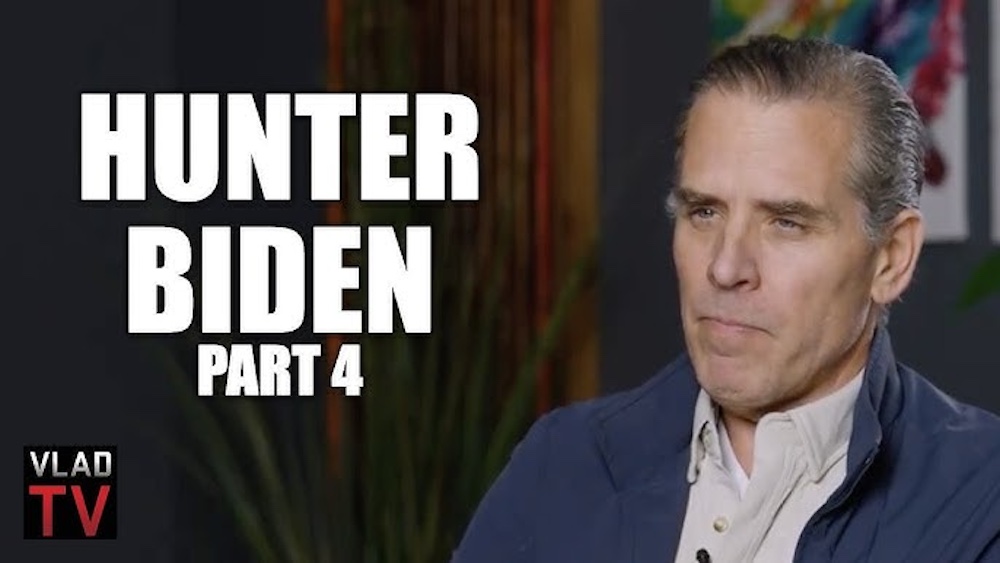
Hunter Biden reflected on the early 2000s period when his drinking led him to seek treatment for the first time.
Around 2003, at age 33, Biden said his alcohol use had increased to the point where he was breaking promises to himself and eventually to loved ones. He described trying to limit drinking to weekends or stop during certain periods, only to fail and begin hiding it, which he said created shame and distance from his family. Biden said the turning point came when his brother confronted him and asked how alcohol was “serving” him, noting he was not fully present for his family. Biden agreed he needed help, found a rehab program, and entered treatment for alcohol only, not drugs. After rehab, Biden said he attended meetings, got a sponsor, and remained sober for nearly seven years before relapsing.
Hunter opened up about his brief Navy Reserve career and the drug test that ended it. In a 2013 effort to serve, Biden said he first tried joining the Delaware National Guard, inspired by his late brother Beau’s military service in Iraq, but could not secure an age waiver. He later entered the Navy Reserve’s Direct Commissioned Officer program, shifting from intelligence to public affairs.
After reporting to Norfolk, Biden failed a drug test, later confirming he tested positive for cocaine. He said he was not using cocaine regularly at the time but had relapsed, was drinking heavily, and described himself as acting recklessly. Biden emphasized that his discharge was administrative, not dishonorable, despite Donald Trump’s later claims. He said the experience left him deeply embarrassed, especially toward the Navy and fellow service members. He added that his father, then-Vice President Joe Biden, was upset but helped him get back on track.