
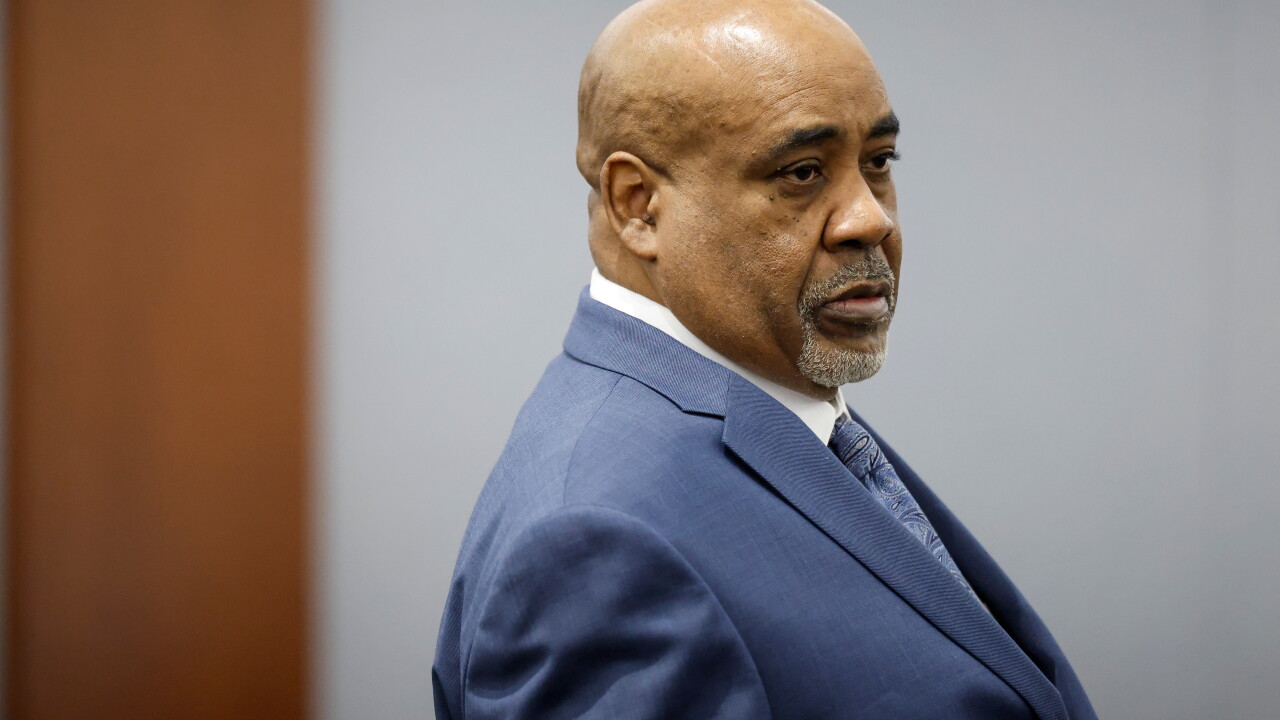
Duane “Keefe D” Davis was found guilty of first-degree murder on Monday, August 31st, 2026, in less than three hours of deliberation.
The 63-year-old former gang leader from Compton now faces life in prison for orchestrating the 1996 drive-by shooting that killed the hip-hop icon near the Las Vegas Strip. Davis didn’t pull the trigger himself, but prosecutors argued he was the “shot caller” who planned the entire operation. Prosecutor Binu Palal laid out a methodical case against Davis in the Tupac Shakur murder trial, arguing the gang leader orchestrated the 1996 killing as retaliation for a beating at the MGM Grand.
The prosecution’s closing arguments centered on one core narrative: Davis, as the shot caller of the Southside Compton Crips, obtained a gun, organized a hunting party, and armed the shooter who killed Tupac on September 7, 1996. Palal emphasized that the state didn’t need to rely solely on Davis’s confessions. Instead, Palal presented a web of circumstantial evidence establishing Davis’s leadership role, his presence in the white Cadillac during the shooting, and his motive rooted in gang culture.
Palal highlighted testimony from gang detectives, security personnel, and witnesses who independently confirmed Davis’s status as a shot caller and the rivalry between Death Row Records and the Southside Crips. The prosecutor addressed Davis’s multiple statements given over more than a decade, including statements to federal law enforcement in 2008 and details from his 2019 memoir “Compton Street Legend.”
The defense countered by highlighting inconsistencies in Davis’ various accounts and pointing out the lack of physical evidence placing him in the Cadillac during the shooting. Defense attorney Michael Sanft argued that Davis’ memoir was braggadocio meant to sell books, not a truthful confession.
The trial revealed how Shakur’s death triggered a 10-day gang war in Compton between the South Side Crips and Mob Piru, resulting in three additional killings and ten attempted murders. Davis remained silent throughout the trial, choosing not to testify in his own defense. The jury’s swift guilty verdict suggests they found the circumstantial evidence and Davis’ own statements compelling enough to convict him of orchestrating one of hip-hop’s most infamous murders.