
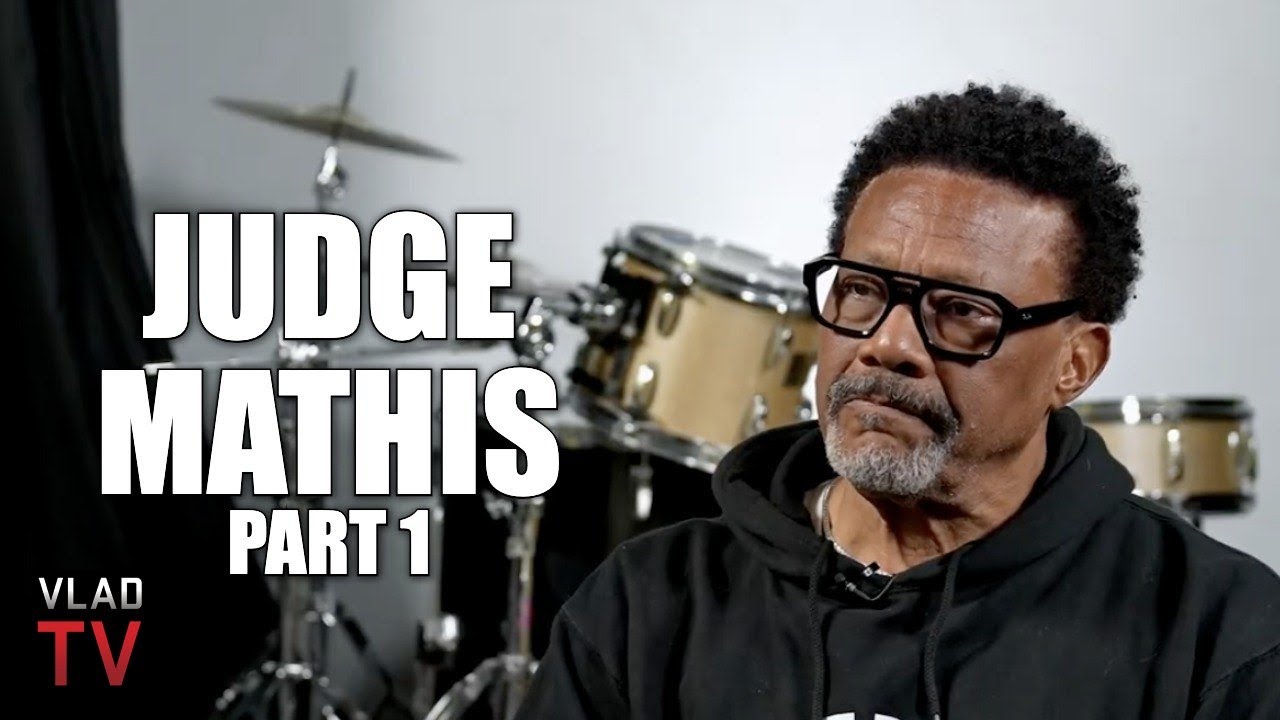
Mathis criticized the defense for not emphasizing Diddy’s bipolar disorder during sentencing, arguing that acknowledging and treating mental illness should be part of rehabilitation.
He stressed the importance of mandatory treatment programs, warning that without them, recidivism is likely. The sentence includes a $500,000 fine, the maximum allowed. The judge also considered Diddy’s immense resources, which allegedly enabled his crimes. Mathis noted the rapper’s emotional courtroom moment, describing it as a spiritual appeal for strength. He further suggested Diddy’s planned speaking engagement may have negatively impacted the sentence.
Vlad argued that the time handed down was excessive, pointing out that Diddy was convicted primarily for misdemeanour charges, and noted that male escorts involved testified they were not trafficked and participated willingly. Vlad suggested a more reasonable sentence would have been two years concurrent, including one year served, reflecting what he believed would send a fair message without overreach.
Judge Mathis analyzed the sentencing of Sean “Diddy” Combs, suggesting the rapper could have received a lighter sentence with a different approach. Mathis explained that rather than consecutive sentences totaling over five years, he would have imposed two years per charge but served concurrently, alongside mandatory mental health treatment and a lengthy probation. He emphasized the importance of continuous therapy, especially considering Combs’ bipolar disorder, which the judge believes contributed to his behavior. Mathis criticized the judge’s deviation from typical concurrent sentencing rules and the failure to credit Combs for acceptance of responsibility, noting that genuine remorse and commitment to treatment should factor into sentencing. He also discussed the potential for appeal and the significance of addressing mental health in the justice system. Ultimately, Mathis expressed faith that with proper treatment, Combs could rehabilitate and avoid future offenses.