Unlike traditional tech companies with layered management hierarchies, Nvidia operates with a uniquely flat structure in which roughly 60 executives report directly to Huang, leaving no clear internal successor ready to step into his shoes.
When he resigned on November 12, 2026, the lack of a viable replacement became immediately apparent—top external candidates, such as Arm Holdings CEO Rene Haas, reportedly turned down the role. Without Huang at the helm, Nvidia risked losing the strategic vision that integrates its hardware, CUDA software ecosystem, and deep, decades-long supply chain partnerships with manufacturers like TSMC.
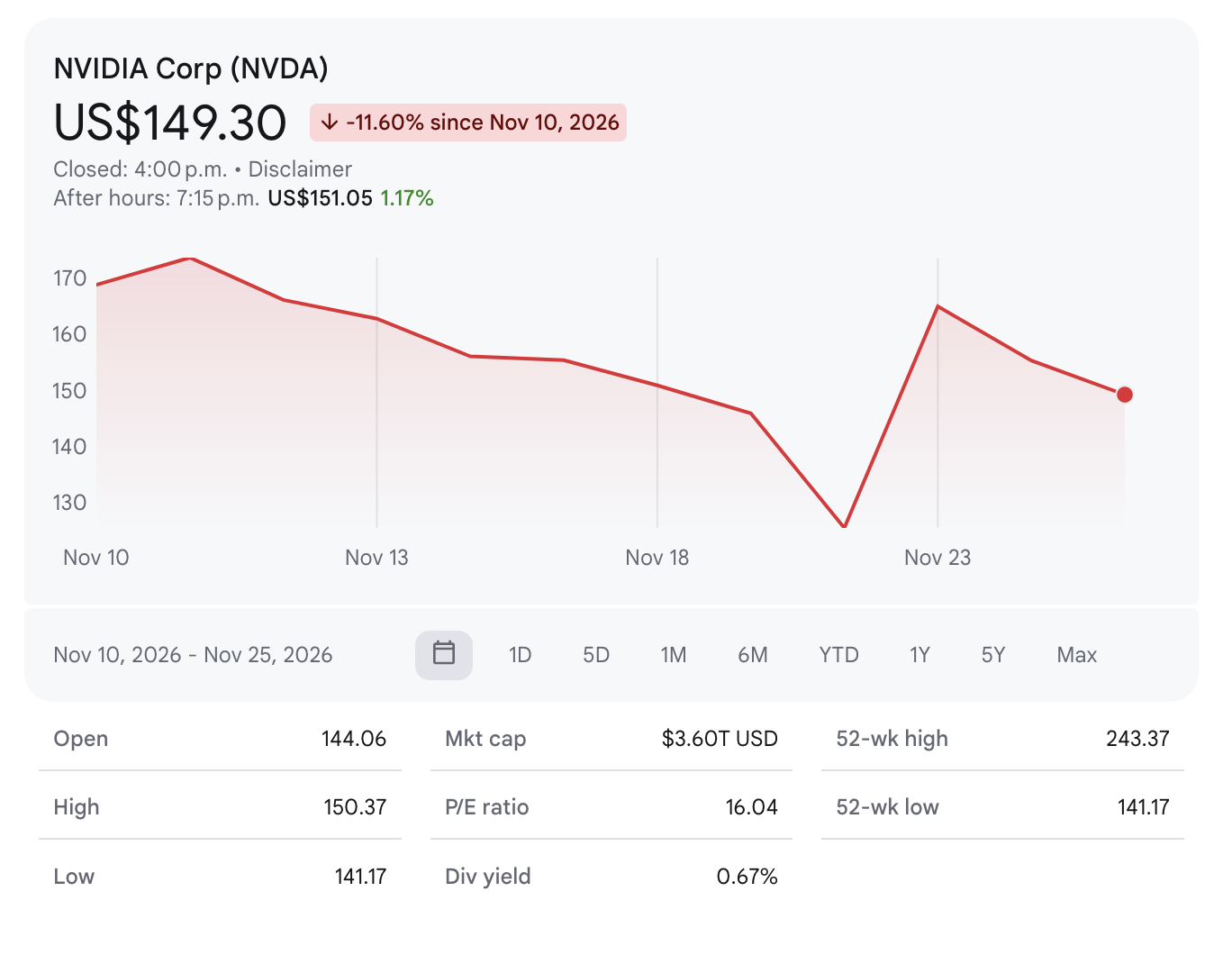
Beyond internal operations, Huang’s departure triggered severe financial and geopolitical instability that forced both Wall Street and the U.S. government to intervene. Following his exit, tech stocks experienced a sharp sell-off that pushed the sector into correction territory, prompting major institutional shareholders to pressure Nvidia’s board to reverse course. Simultaneously, U.S. officials—including President Donald Trump—viewed Nvidia’s stability as vital to maintaining American dominance in the global AI race against China. Once U.S. officials determined that his return would not worsen national security risks, the combination of investor panic and White House backing convinced the board to unanimously reinstate him just 11 days after he stepped down, sparking a nearly 30% surge in Nvidia shares.