
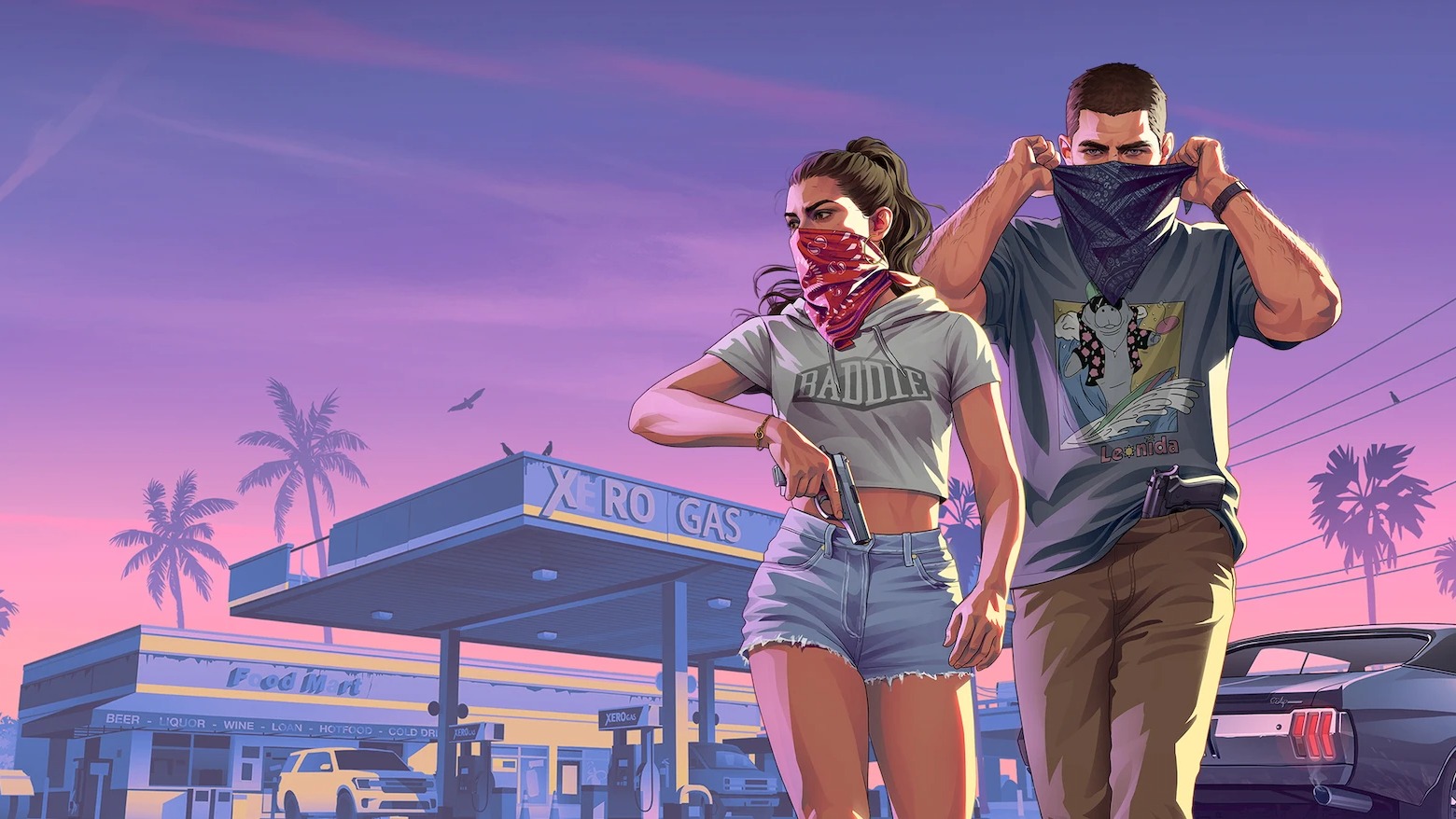
While many still view video games as niche entertainment, the franchise operates on a planetary scale that regularly shatters records across the entire media industry.
GTA V alone has sold over 230 million copies and generated over $5 billion through GTA Online micro-transactions, giving Rockstar Games the financial freedom to spend over a billion dollars developing GTA VI. When GTA VI launched in November 2026, it brought in over $1.8 billion in pre-orders and day-one sales—easily outpacing the $1.22 billion global opening weekend of Avengers: Endgame.
Beyond sheer revenue, the franchise is a rare “monocultural” event capable of capturing global attention in an era of fragmented, algorithm-driven media. Major releases trigger real-world ripple effects outside the gaming industry, from boosting parent company Take-Two Interactive’s stock price to causing spikes in workplace absences known as the “GTA Flu” and driving tens of millions of additional orders on food delivery apps. In a landscape where audiences rarely watch the same movies or shows at the same time, a new GTA launch functions like a World Cup final or a major political event.
Grand Theft Auto fundamentally reshaped interactive storytelling and game design. Starting with GTA III, Rockstar pioneered the modern open-world sandbox, giving players total agency to either follow a cinematic crime drama or simply explore a living, breathing parody of American culture. By combining sharp social satire, iconic licensed music, and relentless technical innovation, the series elevated video games into a premier medium for both artistic expression and mass escapism.