
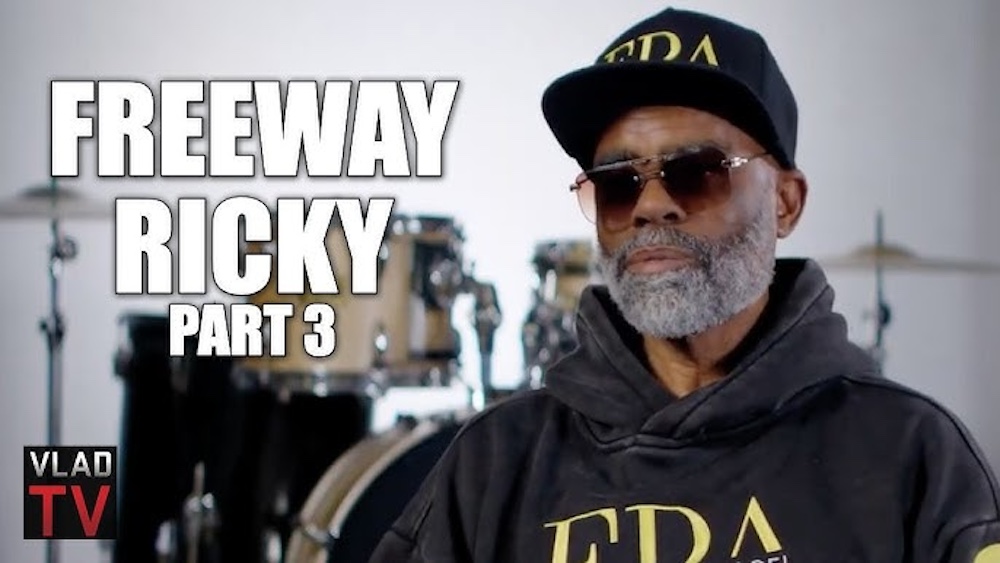
Freeway Ricky, once notorious for his cocaine empire, recently revealed why he stepped away from the legal cannabis industry.
After returning home unaware that marijuana was legal, he eventually entered the weed business, investing in a grow operation and a dispensary in San Bernardino. However, he faced significant setbacks including a costly burglary that stole copper wiring, resulting in a $700,000 loss. Additionally, expensive rent—$13,000 monthly—and high operating costs like security, staffing, cameras, and utilities pushed expenses to around $40,000 a month. Despite generating about $1,500 daily in sales, Ricky couldn’t secure enough foot traffic due to a poor location and restrictive city zoning, which favored wealthy landlords controlling prime storefronts. Overwhelmed by the financial strain and ongoing city hearings, he ultimately gave away his license to a friend with a better location near USC. Ricky concluded that the legal market’s overhead makes illegal operations more appealing despite risks.
Freeway Ricky also reflects on the shifting landscape of the cannabis industry, highlighting how the legal dispensary model is losing ground to a resurgent street market. He explains that before licensing, Los Angeles had around 5,000 mostly unregulated weed stores sustaining many families. However, strict licensing and regulations have squeezed out many traditional operators. Now, with limited licenses and heavy compliance costs, many are returning to selling weed “under the table,” making the streets thrive once again.
This contrasts with legal cannabis giants like Berner’s Cookies brand, which built a $1.5 billion operation worldwide amid internal battles and fierce competition. Yet, Freeway Ricky notes the industry is cannibalizing itself, driven by greed and lack of loyalty. As legal cannabis struggles, it seems the culture of decentralized, informal weed sales is reclaiming its old turf, challenging the dispensary era’s dominance.